 COME
COMERead IPL Scores: Runs, Wickets and Overs Explained
Read a cricket score in three parts: runs scored, wickets lost and overs completed. A line such as 60/1 after six overs describes the innings at that point; it does not by itself tell you the final result.
Runs and wickets come first
In 162/6, the first number is 162 runs and the second is six wickets lost. A graphic may use 162-6 instead of a slash. Read the team and opponent labels too, because the number belongs to one side in a particular innings.
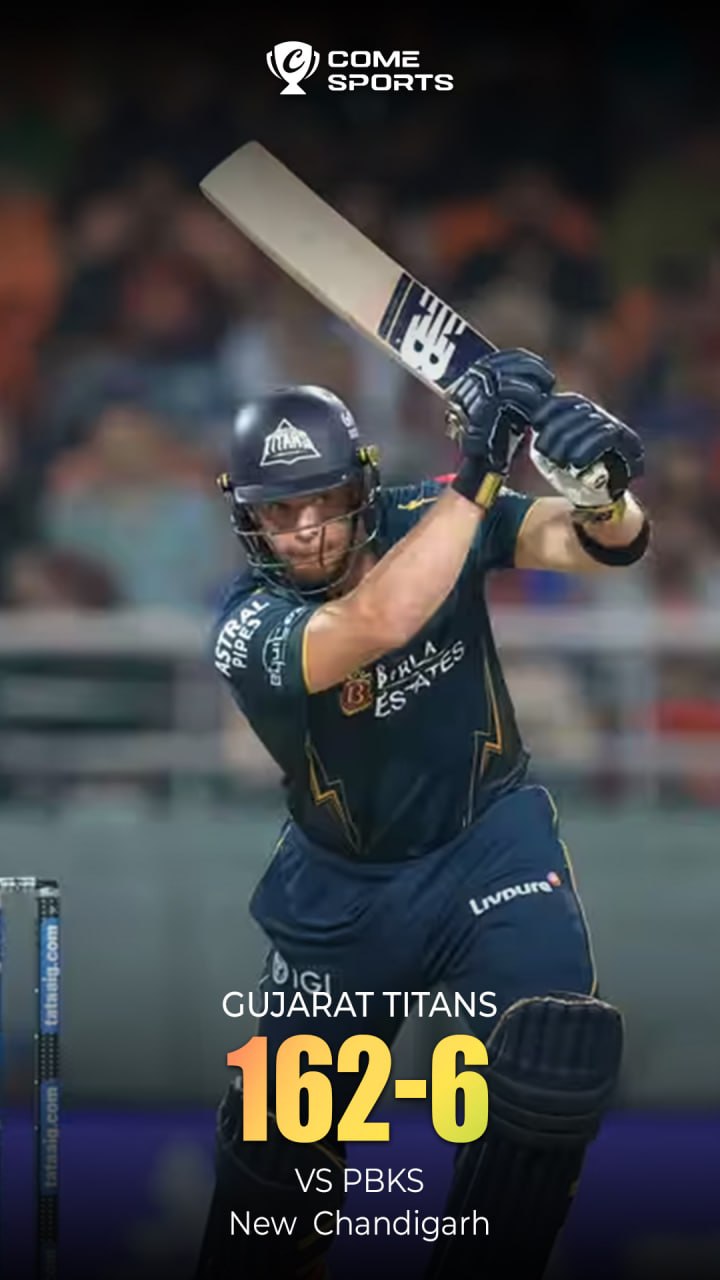
The archived graphic above displays Gujarat Titans, 162-6 and an opponent. It is useful for recognising the layout. It is not enough on its own to verify the date, final outcome or full match record.
Overs count valid balls
MCC’s Law 17 defines an over as six balls and explains which deliveries count as valid balls. Wides and no-balls do not count among the six valid balls, so a bowler may deliver more than six times before the over is complete.
For normal score notation, 12.3 means twelve completed overs plus three valid balls: 12 × 6 + 3 = 75 valid balls. It does not mean twelve and three-tenths overs. After 12.5, the next valid ball completes the thirteenth over, shown as 13.0.
Read MCC’s explanation of an over
Combine the numbers in one example
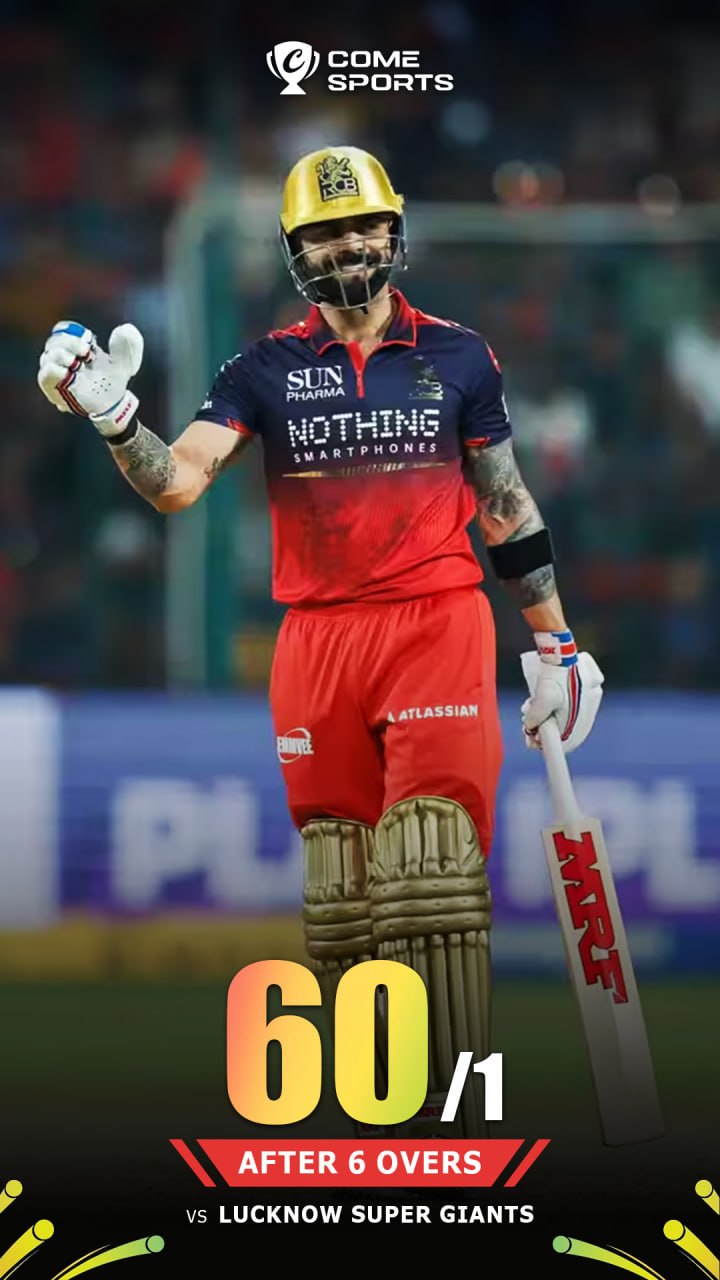
The second archived graphic shows 60/1 after six overs. Read it as 60 runs, one wicket lost and six completed overs. For a simple current run-rate calculation at that point, 60 ÷ 6 = 10 runs per over.
When the over display includes balls, convert it correctly before calculating. For example, 12.3 overs corresponds to 12.5 overs for arithmetic because three valid balls are half an over. This conversion is for calculation; the scoreboard still uses 12.3 notation.
A current rate is not a prediction
The scoring rate so far describes what has happened. It does not guarantee the next over, the final total or a winning outcome. Wickets, available balls, the target and match conditions all provide additional context.
If a match has a revised target or reduced overs, use the target and playing conditions shown by the current match source. Do not infer a revised requirement from an old poster.
Check these details before sharing a score
- The teams and the specific match.
- Which team is batting and which innings the number describes.
- Whether the display is live, an innings break or a completed result.
- The date and update time of the original source.
- Whether the image omits overs, a revised target or the result line.
The IPL website is a reference for current competition information. These examples teach notation and do not establish match coverage, streaming or a partnership within COME.
Check current IPL match information
Read the IPL fixture and status guide
Return to the COME overview when you want app information and Android download help.